


Aspects to Focus on When Buying a Home Security Camera
Home security cameras are a valuable part of maintain safety and piece of mind. Whether you want to keep your home safe while you’re away, or you need to be able to see what’s happening at your front door, there are tons of options for home security cameras. With all of the options that are out there, and here are some things to consider to ensure you have a camera that works for you how you want it to.

1.Resolution
The resolution of the camera is another important consideration. More resolution typically means clearer images, and that can be critical when trying to identify faces or license plates. Many new cameras record in HD 1080p and even 4K resolution. But, of course, higher resolution also translates into larger file sizes, which can eat up more space and more bandwidth. If you plan on recording footage non-stop, you'll want enough space, whether that's cloud storage or a local solution such as microSD cards or network-attached storage (NAS).
2.Size of the View
The size of the view is also a consideration. A broader perspective enables thus reducing blind spots and more coverage area for the camera. Cameras with field of view from 130 degrees to 180 degrees are typical, but welter-weight panoramic cameras with 360-degree coverage are available. If you are watching over a large space, like a garden or sitting room, then you may want a wider angle. But for more confined spaces, you may want to narrow the beam to prevent wasted coverage.
3.Connectivity
Another consideration is connectivity. The vast majority of home security cameras today have some type of Wi-Fi connection, but what kind of network device you're connecting to is going to make a difference. A poor signal may result in lagging or dropped connections if your camera is too far from the router. Some cameras have Ethernet ports for improved connectivity, or dual-band Wi-Fi for better signal. Wireless (battery operated) cameras are versatile where you can place them, only to have the hassle of replacing, or recharging batteries.

4.Storage
There are various storage options for cameras and the kind you choose will depend on how much storage you wish to keep. The convenience of cloud storage is that it can offer remote access and automated backups, but it frequently involves subscription fees. Local storage, such as SD cards or an external hard drive, removes ongoing charges, but could be stolen or damaged if the camera is interfered with. Some also have hybrid solutions, where you can keep footage locally and in the cloud for extra backup.
5.Privacy
Privacy is a becoming a worry with home security cameras. And, because these devices are internet-connected, they may be hackable if not protected. Opt for a camera with robust encryption, two-factor authentication and regular firmware updates, and you may safeguard your data. Also think about whether the camera offers physical privacy mechanisms like a lens shutter or the ability to disable recording entirely when you're home.
6.Smart Functions
Smart functions fills it with more value. Most have motion detection, but some advanced cameras have facial recognition and sound detection, too. This helps prevent false alarms caused by swaying branches, swinging parking gates or passing cars. The camera also supports two-way audio so you can address delivery people or even would-be intruders through the camera, which is a nice touch. Integration with smart home platforms like Amazon Alexa or Google Assistant can offer easy control and automation too.

In conclusion, picking the first home security camera does not only mean paying a visit to a shop and picking the first model you see. By considering your requirements on placement, resolution, storage, connection, privacy, and smart features, you choose a camera which is suitable to both security and convenience for your home. By researching and comparing your options you will invest in your security and peace of mind for many years to come.
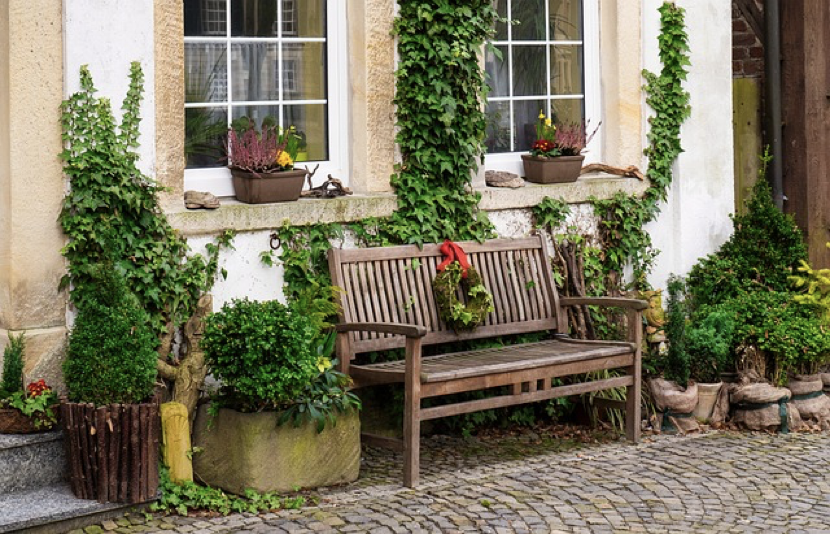
How to Design a Warm and Inviting Modern Garden
To design a modern garden with a warm and inviting atmosphere, you need to focus on the combination of beauty, utilities, and feelings. Give solace from your daily life in a well-designed garden. So, below I talk you through five major points to help you forge a modern garden you want to spend time in.1.Incorporate Natural Materials and TexturesUse natural materials such as wood, stone, and rattan to create a warm environment. The use of wood, terrazzo or concrete for examples brings texture and a sense of organic warmth to the space. “(Wooden decking or stone pathways would help ground the design, whereas rattan furniture or woven planters would infuse softness and charm.) Balance a modern minimalistic look with the coziness of natural tones by pairing these materials with plants and greenery rich in colors. If you want a rustic vibe that feels sustainable and welcoming, consider using reclaimed wood for benches or tables. Features such as a small rock garden or a pebble mosaic of one kind or another, for example, will not only provide texture and diversity of shapes but also provide a stratum that may encourage touching and interaction.2.Concentrate on Cozy Seating AreasA warm garden is a place that encourages people to sit, to relax and to linger. Incorporate lounging areas with soft cushions, weatherproof fabrics, and handpicked ergonomic furniture; Think about creating different zones, for example a cozy bench under a tree, a dining area for al fresco meals or a lounge area with a fire pit. Throws or outdoor rugs can add an extra layer of comfort and help make the garden feel like an extension of your home. Design with a curved seating orientation ideal for small gatherings. Furnishing with hammocks or swing chairs can bring an element of playfulness and relaxation as well.3.Incorporate Soft LightingMany ordinary lights can make a garden more attractive, including ambient lights like lanterns, string lights, or even lamps. As the sun goes down, use soft warm light for a welcoming atmosphere. String lights, lanterns and the new solar-powered path lights can create a magical glow. To add depth and interest, subtly spotlight elements of your space, such as trees, water features of sculptures. A beautifully illuminated garden can feel inviting but also safe. Try LED candles or fairy lights in glass jars for something quirky. For added drama, set up uplighting to illuminate the architectural shapes of plants or trees.4.Include Personal Touches and Sensory DetailsA warm garden should be your personality and stir the senses. Incorporate things like wind chimes, aromatic flowers, or even a wee water feature for a therapeutic auditory and olfactory experience. Personal touches like handmade pottery, family heirlooms or a collection of potted plants can give the space a distinctive feel. These details spark feelings and memories, turning the garden into a space of belonging and happiness. Use herbs that release perfume when brushed against, such as lavender, rosemary and mint. In the same way, including a bird feeder or birdbath is another way to not only attract wildlife, but to add more life and movement to the garden.5.Year-around DesignAnd for your garden to feel warm and welcoming all year long, plan for seasonal interest. Select a combination of evergreen plants, flowering shrubs and seasonal blooms to ensure that color and life can be had all year round. Add features such as a pergola or awning to block the sun during summer and a fire pit or heated-seating for cooler seasons. Watching the seasons change brings a sense of comfort and joy, and by designing a garden to work all year round, you have a garden that brings delight and happiness to your life, all year round. Plant deciduous trees or shrubs with vibrant autumn coloration like maple or dogwood for warmth on those crisp fall days.Overall, these spaces will both differ, but if and when we can return to large gatherings on the other side of this, hot meals will be served here and fellowships welcomed, what really is needed, in peace. Modern garden constructed from that foundation becomes much more than outside space, it becomes an enjoyable piece of your home and life.
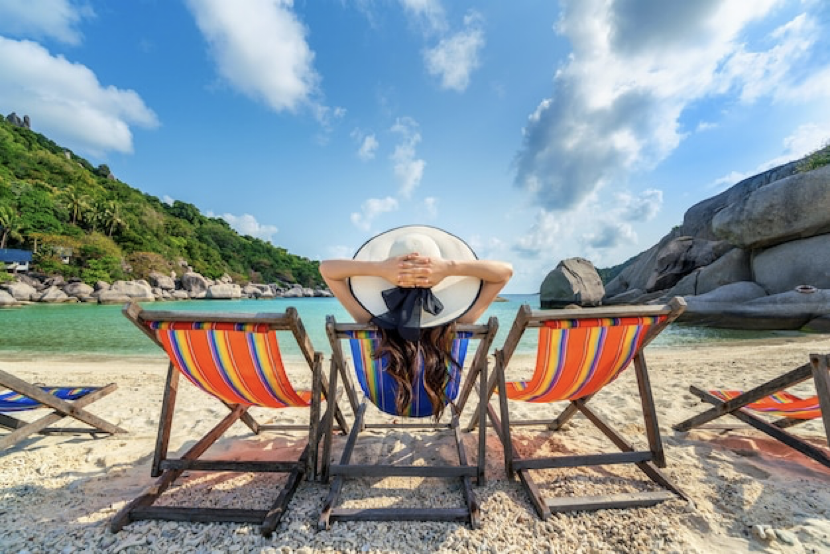
Find Your Freedom in These European Islands
In the modern life which is pushing in a faster pace than ever, finding a place that canget away from almost everyone and enjoy ourselves is a luxurious desire. However, the Europe offers us the opportunity. There are myriads of beautiful and wonderful islands in Europe, which can be an ideal travel resort and reach your goal of staying away from the noise of metropolises. Here are several peaceful islands in Europe worth visiting.Skye, ScotlandThe Skye Island which situates in Scotland is notable for its splendid natural views. Mysterious castles, rugged mountains and the glamorous coast lines seduce a myriad of travelers who are keen on hiking, adventure and photographing all over the world. Although this treasure island is known by more and more visitors, Skye island is still keeping its unique and precious quietness, especially in the summer night. A number of romantic and fantastic pictures and photos are made here, if you love sunrise or sunset, the beaches in Skye island will not let you down.Brač, CroatiaCroatia is well known by a group of people mainly because of Croatian Rhapsody, another terrific treasure should not be ignored as well, the Brač island. The island is a perfect wonderland help you get rid of the atmosphere of cities, the beaches gain their fame for the special shapes and fascinate multitudinous people who love aquatic sports. Although there are towns in the island, numerous peaceful and quite corners can still be found for you to enjoy sunlight, sea wave and warm hearts. Further more, the island is also a historic resort, which is also a heaven suitable for those visitors who love both cultural and natural environments.Åland Islands, FinlandAs the minority of countries that can see polar lights easily and considered to be one of the nations whose citizens have the happiest live standard, Finland become a dreamland for a multitude of people. One more marvelous thing is that an island in Finland can be so incredible. Åland Islands are little islands between Finland and Sweden, the original residents there live mainly for farming and fishing with a slow paced live. If you travel to Åland Islands, you get the chance to ride bicycles, walk alone and enjoy the peaceful beaches, which make you feel what is called the genuine, true and authentic liberal lifestyle. With affluent historic relics such as ancient castles and churches, Åland Islands are the places that always make people be reluctant to say good bye.Corfu, GreeceLocated in Greece, Corfu island is a beautiful wonderland prestigious for its clear sea and fascinating mountains. Although the island serves for a number of travelers ever summer, there are still remote beaches and villages remain to discover with primitive charm. In Corfu island, you can unlock the joy of exploring lanes, paying a visit to ancient churches and canteens that possess Greek traditions and savoring quiet atmosphere. Anyway, the incredible scenery and the friendliness of local people are the reasons that you must come here.ConclusionThese are the islands in Europe that offer us a choice to escape from the busy lives. No matter you want to feel the quietness of the nature or learn the local culture, they are all nice options for your next itinerary.

Ceuta: The Spanish Territory in North Africa
A small sliver of land on the north coast of Africa, Ceuta is one few remaining remnants (along with another Spanish enclave there and some islands off Morocco) from centuries when Europe's reach extended into Africa. A castle in the desert, Ceuta steeps itself not just in its geographical splendor but also a cacophony of cultural influences which all together had been woven through centuries into an autonomous city.Location of CeutaCeuta is on the Strait of Gibraltar, sharing a 6.4-mile border with Morocco to its south and east, while facing Spain across the sea to its north; it also lies near European transshipment routes for many sub-Saharan migrants that have climbed over or swum into Ceuta from May 2001 through August 2015. The enclave measures just 18.5 square kilometers, so it is one of the smallest territories in Spain. Ceuta, due to its location is rather small but that´s no less strategic which explains the many empires who wanted Ceuta.History of CeutaCeuta has a long and turbulent historical past. This city, which was founded by the Phoenicians and later became a Roman colony. Subsequently (and over the next 230 years), it was seized by vandals, who were then followed by the Byzantines before coming under control of Islamic Umayyad dynasts. It became an important center of trade and culture under the Moorish domination. The Portuguese gained official control over Ceuta in 1415, through the Reconquista, though it was taken by Spain from Portugal in 1580 and never again returned to its original owner.Ceuta became a Spanish territory after the signing of Treaty of Fez with Morocco in 1906. This makes Spain, the Spanish Government as an essential part of Western Europe convicted country Ceuteser colony. The outcome has been a specialization: Ceuta is not only Europe's doorstep, but also sparks controversy regarding international relations between Spain and Morocco.Culture of CeutaIn terms of culture, its aesthetic is an amalgamation of Spanish, Moroccan and Andalusie. Official languages are Spanish and Tarifit, which belongs to the Berber group of dialects indigenous in Rif. Similarly, the architecture of Ceuta shows this mix with an old town (the, in the typical Moroccan style) and new areas having European influences.Ceuta is an economic free port that no duties of any kind are performed, as well reflects business and trade from around the world. Given the unique position of Schengen, it is also an essential crossroads in Europe for imports and exports between both continents. A tourism hub, the city enjoys a popular seaside and offers historical locations while also serving as unique Spanish exclave in Africa.But Ceuta, which is a Spanish territory on the north coast of Africa, has faced its share of problems. Its border with Morocco has long been a source of tension, and frequently the focus of disputes over migration and smuggling. In modern times, Ceuta has presented a special challenge but it is also prove of an implicit policy in which Spain remains one finger on Africa with Tanger as nowadays the gateway to EuropeConclusionTo conclude, Ceuta is a unique example of the interplay between history, geography and culture in shaping an unusual territory. Eladio attests that hindsight is powerful: The fact that Ceuta remains a Spanish city in North Africa today upon reflecting shows the power of history, and, by default, it makes international politics so complex. Ceuta sits on a sprawling continent, where humanity and history are at large even within the rigid boundaries of territory — ever in flux as she made more so.

Navigating College Life: Some Mental Health Tips for Students
As the leaves turn golden and summer draws to a close, a new chapter begins for many young adults across the country. College is a time of excitement, growth, and self-discovery, but it can also be a period of stress and uncertainty. For parents with children heading off to college, ensuring their mental well-being is paramount. Here are five essential tips to help students manage their mental health during this transformative time.Establish a RoutineThe transition from high school to college often comes with a newfound sense of freedom. While this freedom is exhilarating, it can also lead to irregular sleep patterns, poor diet, and skipped classes if not managed properly. Establishing a routine that includes regular sleep, healthy meals, and dedicated study times can provide a foundation for emotional stability and academic success.Encourage Open CommunicationMaintaining open lines of communication is crucial for students' mental health. Parents should encourage their children to share their feelings, concerns, and experiences without judgment. This can help students process their emotions and feel supported. Regular check-ins, whether through phone calls, video chats, or text messages, can provide a lifeline for students navigating new challenges.Promote Self-CareSelf-care is essential for mental health, yet it's often overlooked in the hustle of college life. Encourage your student to engage in activities they enjoy and that help them relax. This can include exercise, meditation, hobbies, or simply taking time to unwind with a favorite book or movie. Remind them that it's okay to take breaks and prioritize their well-being.Seek Professional Help When NeededCollege campuses often offer counseling services that provide mental health support to students. If your child is struggling with stress, anxiety, or depression, encourage them to seek help from these professionals. Early intervention can be key to managing mental health issues and can provide students with coping strategies for the challenges they face.Foster a Support NetworkEncourage your student to build a support network at college. This can include friends, roommates, mentors, and professors. A strong support network can provide emotional support, practical advice, and a sense of belonging. Joining clubs, participating in campus activities, or studying in groups can help students connect with others who share their interests.

Senior Housing Choices: Finding CCRCs, Villages and Cohousing
The perfect home for seniors has never been more important as people the world over live longer than ever before. Older adults today want living options that provide not just comfort and safety, but also community, independence and the ability to access care when it's needed. Knowledge of these options can allow seniors and their families the opportunity to make informed decisions for the future.1.Continuing Care Retirement CommunitiesA CCRC is a facility with many levels of care that are housed within the same campus. Residents generally begin in independent living, with private apartments or cottages, social activities and amenities like fitness centers and dining halls. And, as their health care needs shift, they can move easily to assisted living or more intensive skilled nursing care without being forced to pack. This philosophy of “continuum of care” provides comfort in the knowledge that medical and personal assistance is there when needed. Entry fees and monthly fees are typically used to finance them, making CCRCs a substantial investment. But for those who value long-term security and ease of living, this choice brings stability and great care across the various phases of aging.2.VillageIn comparison, the Village movement is all about assisting the elderly in aging in place in their own homes and communities. Villages are nonprofit, member-driven organizations that provide older adults with access to services, volunteers and social activities. With an annual membership fee, members are entitled to resources such as transportation, home-related repairs and social events, promoting a close community while remaining independent. Unlike CCRCs, Villages themselves don't offer medical care, but they're known to partner with local health organizations who can offer assistance. This model is perfect for the seniors who are very attached to their homes and their neighborhoods but require more help and social engagement as they get older. The Village movement is ballooning, especially in urban and suburban areas, where it allows seniors to continue living in the same communities without upending their lives.3.CohousingAnother emerging alternative and trend is Cohousing, a customized living arrangement in which seniors can share common areas and still live independently. Cohousing is unique from typical retirement communities in that it's specifically designed to facilitate interaction, with shared kitchens, gardens, and common spaces. There's strong community involvement, and residents take part in decision-making and often meet for communal meals and activities. This model holds particular appeal for those who value sustainability, social connection and belonging. Although cohousing generally does not offer professional care services, some facilities offer a wellness program, or contract with home healthcare agencies. It can provide an ideal mix of independence and community for seniors who want an active, interdependent lifestyle but don't want the retirement home feel of an institutional setting.The best senior housing option depends on specific needs, whether it is guaranteed care focused on your parents or neighborhood support or a senior community with close integration or a shared living experience. For those who expect to one day require medical help, a CCRCs offer a comprehensive, “nothing left out” lifestyle pattern. Villages are places where you can age in place, with social and practical support; cohousing creates deep links among people who are like-minded. In an ever changing society, these models show that retirement living no longer has to equate with loneliness or loss of autonomy.In the end, it is a personal choice when one considers factors such as monetary considerations and the kind of life they would prefer to have. Through CCRCs, Villages, Cohousing and other options, older adults can also discover a living arrangement that is in line with the way they wish to livee, one that provides comfort, community, and the appropriate level of care as they begin their journey into the next chapter of their lives.